
Exploring Army Jobs: Careers, Roles, and Opportunities Around the World
People frequently picture soldiers fighting on the battlefield when they think of the army moreover modern armies are comprised of a wide range of professionals working in many different fields, despite the fact that combat roles are an essential component of military forces. Army jobs offer a variety of career paths that are suitable for individuals with a variety of skills, interests, and educational backgrounds, including engineering, medicine, technology, and logistics although this blog looks at what jobs in the army are, the most common roles in armies around the world, the skills they require, and why so many people choose to work in the military.
What are Army Positions ?
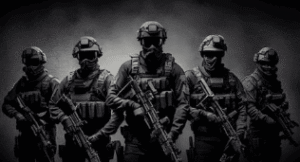
Professional positions within a nation’s land-based military force are known as “army jobs.” These jobs aid in humanitarian efforts, peacekeeping, disaster response, and national defense. While some positions are technical, administrative, or support-oriented, others are operational and field-based.
The majority of armies classify their personnel as:
Individuals who carry out general or specialized tasks are referred to as enlisted personnel.
Non-commissioned officers, also known as NCOs, are skilled leaders who oversee teams.
Officers with commissions are leaders in charge of planning, strategy, and command.
There are distinct responsibilities, training requirements, and career progression paths at each level.
Major Job Types in the Army
-
Field and Combat Roles
Physical fitness, discipline, and the ability to work in a team are all necessary for these positions, which involve direct operational responsibilities. Some examples are:
Infantry personnel
Crew members of armored vehicles
Armed forces personnel
Units for reconnaissance and patrol
Depending on a nation’s military requirements, these positions frequently call for extensive training and readiness for deployment.
-
Technical and engineering roles
The infrastructure and technology of today’s armies play a significant role. Engineering positions are crucial during both missions and peacetime. Some common jobs are:
Engineers in combat
Engineers in mechanics and electricity
Technicians in aircraft and vehicle maintenance
Experts in infrastructure and construction
These positions frequently provide skills that can be used in civilian careers.
-
Careers in Medicine and Healthcare
During humanitarian missions, the Army’s medical services provide care for soldiers and, frequently, civilians. Among the jobs in this field are:
Doctors and surgeons
paramedics and nurses
Pharmacists and dentists
Health care professionals
Medical personnel in the military frequently receive advanced training and gain experience working in challenging settings.
-
Information Technology and Cyber Roles
IT positions are becoming increasingly important in light of the rise of secure communications and digital warfare. These jobs may involve:
Security professionals
Communications and network technicians
Data scientists
Engineers in software and systems
Cyber defense is now one of the military careers with the fastest growth rate because many armies are investing heavily in it.
5.Analyses and Intelligence
Information gathering, analysis, and interpretation in support of decision-making are the primary focuses of intelligence roles. Some examples are:
Analysts of intelligence
Specialists in language and translation
Analysts of imagery and spatial data
intelligence roles in communications and signals
Strong analytical thinking, attention to detail, and sometimes language proficiency are required for these positions.
-
Management of the Supply Chain and Logistics
Without efficient logistics, an army cannot function. These professionals make certain that personnel have the necessary supplies, food, fuel, and equipment. These roles include:
Logistics professionals
Managers of supplies and inventory
Coordinators of movement and transportation
Procurement professionals
Military logistics expertise frequently lends itself well to civilian occupations.
-
Education, legal, and administration roles
There are not all field-based jobs in the army. Many roles support the organization internally, such as:
Human resource professionals
Consultants and lawyers
Personnel in accounting and finance
Military trainers and instructors
These positions contribute to the efficient and professional operation of the army.
Skills Acquired Through Work in the Army
Many people, regardless of their position, acquire valuable skills through military service, such as:
Teamwork and leadership
Time and discipline management
Problem-solving under pressure
Professional and technical accreditations
Skills in communication and organization
Employers outside of the military frequently recognize and value these abilities as well.
Why People Work in the Army
There are many reasons why people join the army, such as:
A desire to protect their nation
Opportunities for education and training
Unstructured career advancement and job security
Personal development and development as a leader
Opportunities to work in various settings
The army also provides benefits like housing assistance, healthcare, and pensions in many nations.
Jobs in the Army Around the World
Even though each nation’s army is unique, the majority have similar roles and structures. National laws, defense policies, and security requirements all influence the requirements, duration, and conditions. Always conduct research into the official military recruitment channels in one’s own country for anyone considering a career in the armed forces.
Where to Find Out More About Army Jobs Around the World
A useful international resource for information on army roles, structures, and developments across nations is:
Technology for the Army (army-technology.com)
The land forces, military technology, organizational structures, careers in defense, and developments all over the world are covered by this website.
Last Thoughts
More jobs exist in the army than most people realize. Military service can provide structured training and meaningful career paths for those who are interested in leadership, healthcare, technology, engineering, or logistics. People can make better decisions about whether a career in the army is right for them by knowing about the many different roles that are available.